Notice: Function Elementor\Core\Experiments\Manager::warn_removed_or_hidden_dependency was called incorrectly. Feature mega-menu depends on hidden experiment nested-elements. Please see Debugging in WordPress for more information. (This message was added in version 4.3.4.) in /home/khabarofnepal/public_html/wp-includes/functions.php on line 6260

Warning: Cannot modify header information - headers already sent by (output started at /home/khabarofnepal/public_html/wp-includes/functions.php:6260) in /home/khabarofnepal/public_html/wp-includes/feed-rss2.php on line 8
admin – Khabarofnepal https://khabarofnepal.com Tue, 13 Jan 2026 04:54:03 +0000 en-US hourly 1 https://wordpress.org/?v=7.1.3 183013098 WHO research shows COVID vaccines still crucial in preventing severe illness https://khabarofnepal.com/2026/01/13/1328/ https://khabarofnepal.com/2026/01/13/1328/#respond Tue, 13 Jan 2026 04:54:03 +0000 https://khabarofnepal.com/2026/01/13/1328/


Although COVID-19 no longer causes the widespread disruption seen during the global health emergency, the virus continues to hospitalize and kill people across Europe and neighbouring regions.

Studies led by the WHO Regional Office for Europe confirm that people who receive timely booster doses are far less likely to develop severe disease, require intensive care or die.

The findings are based on data from the European Severe Acute Respiratory Infection Vaccine Effectiveness (EuroSAVE) network, which monitors respiratory infections in hospitals across parts of Europe, the Balkans, the South Caucasus and Central Asia.

Important findings

“The studies highlight that, while COVID-19 is not leading to the widespread disease we saw during the pandemic, it has still been causing a considerable number of hospitalizations and deaths,” said Mark Katz, a medical epidemiologist at the WHO regional office.

Between May 2023 and April 2024, nearly 4,000 patients were hospitalized with acute respiratory infections in countries covered by the network.

Almost 10 per cent of those cases were caused by COVID-19, despite the pandemic having been declared over. Among patients hospitalized with COVID-19, just 3 per cent had received a vaccine dose within the previous 12 months.

The consequences were often severe: 13 per cent of COVID-19 patients required admission to intensive care units, and 11 per cent died.

Comparative research also showed that patients hospitalized with COVID-19 were more likely than those with influenza to need oxygen, intensive care or to succumb to the illness.

Vaccines offer strong protection

By contrast, vaccination offered strong protection.

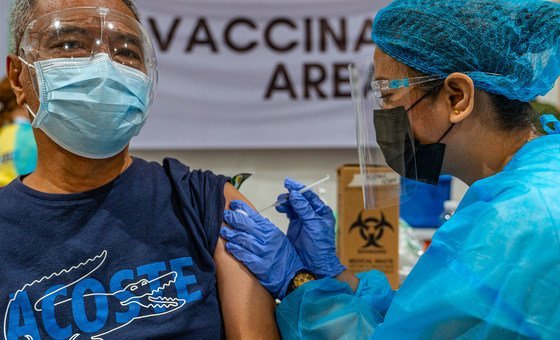
One EuroSAVE study found that an up-to-date COVID-19 vaccine received within the past six months was 72 per cent effective at preventing hospitalization and 67 per cent effective at preventing the most serious outcomes, including ICU admission and death.

A separate multi-country analysis found vaccines reduced COVID-related hospitalizations by about 60 per cent.


Source link

]]>
https://khabarofnepal.com/2026/01/13/1328/feed/ 0 1328
A woman dies from cervical cancer every two minutes, UN says https://khabarofnepal.com/2026/01/13/1326/ https://khabarofnepal.com/2026/01/13/1326/#respond Tue, 13 Jan 2026 04:52:07 +0000 https://khabarofnepal.com/2026/01/13/1326/


“I felt betrayed by my body,” she told the World Health Organization (WHO) as part of an initiative to eliminate the disease. 

Cervical cancer, the fourth most common cancer in women, took Jeanette’s life a year after she was diagnosed. In January each year, Cancer Awareness Month, WHO underscores that the illness is both preventable and curable.

What is cervical cancer?

Cervical cancer is a reproductive cancer that develops in a woman’s cervix and can spread to other parts of the body if not detected or treated early.

In 2022, an estimated 660,000 women were diagnosed with cervical cancer worldwide and about 350,000 women died from the disease, according to WHO. 

UNICEF, the UN children’s agency, warns that the illness takes away a woman’s life every two minutes. 

Almost all cervical cancer cases are linked to infection with human papillomaviruses (HPV) – an extremely common virus transmitted through sexual contact. 

Most sexually active people will have HPV at some point. In most cases, the immune system clears the virus naturally but persistent infection with certain carcinogenic types of HPV can cause abnormal cell growth that may ultimately develop into cancer.

How can it be prevented or treated?

Cervical cancer is both preventable and curable with proper access to screening, vaccination and treatment. 

WHO recommends vaccination for HPV for all girls aged 9–14, before they become sexually active and cervical screening from the age of 30 (25 years for women living with HIV).

When diagnosed, it is one of the most successfully treatable forms of cancer, if it is detected early and managed effectively. 

Unequal access to prevention and treatment, however, remains a problem, leading to higher rates of incidence and mortality in some regions of the world like sub-Saharan Africa, Central America and Southeast Asia. 

The international community responds 

In 2020, 194 countries initiated a global strategy with the goal of eliminating cervical cancer. The day it was launched, 17 November, now marks World Cervical Cancer Elimination Day.

The strategy sets three targets to be achieved by 2030:

  • 90 per cent of girls to be fully vaccinated for HPV by age 15.
  • 70 per cent of women to be screened with a high-performance test by age 35 and again at 45.
  • 70 per cent of women diagnosed to receive treatment.

The strategy estimates that succeeding in eliminating cervical cancer could avert 74 million new cases and prevent 62 million deaths by 2120.


 [I[1]I only included this because it is in the headline


Source link

]]>
https://khabarofnepal.com/2026/01/13/1326/feed/ 0 1326
Sudan war leaves millions hungry and displaced as health system nears collapse https://khabarofnepal.com/2026/01/13/1325/ https://khabarofnepal.com/2026/01/13/1325/#respond Tue, 13 Jan 2026 04:50:03 +0000 https://khabarofnepal.com/2026/01/13/1325/


UN agencies warn that nearly three years of sustained violence, restricted humanitarian access and shrinking funding have pushed Sudan into what they describe as the largest humanitarian emergency in the world.

An estimated 33.7 million people – around two thirds of the population – are expected to need humanitarian assistance in 2026. More than 20 million people now require health assistance, while 21 million face acute food insecurity.

Devastating impact

The conflict erupted in April 2023 following a power struggle between the Sudanese Armed Forces (SAF) and the paramilitary Rapid Support Forces (RSF), plunging the country into a civil war that has spread from the capital Khartoum to Darfur, Kordofan and other regions.

The fighting has devastated infrastructure, fractured state institutions and left civilians exposed to widespread violence, displacement and deprivation.

Repeated ceasefire efforts have failed, and large swathes of the country remain inaccessible to humanitarian actors due to insecurity, bureaucratic constraints and ongoing hostilities.

Patients receive treatment in a tent outside a hospital in Khartoum, as Sudan’s health system comes under severe strain from attacks, shortages, disease outbreaks, and natural disasters.

© UNICEF/Ahmed Mohamdeen Elfatih

Patients receive treatment in a tent outside a hospital in Khartoum, as Sudan’s health system comes under severe strain from attacks, shortages, disease outbreaks and natural disasters.

A health system on the brink

According to the World Health Organization (WHO), Sudan’s health system has been pushed close to collapse by ongoing fighting, mass displacement and repeated attacks on medical facilities. More than one third of health facilities nationwide are non-functional, cutting millions off from essential and lifesaving care.

Since the conflict began, WHO has verified 201 attacks on healthcare, resulting in 1,858 deaths and 490 injuries. Such attacks violate international humanitarian law and place patients, caregivers and health workers at grave risk.

“One thousand days of conflict in Sudan have driven the health system to the brink of collapse,” said Shible Sahbani, WHO Representative in Sudan. “Under the strain of disease, hunger and lack of access to basic services, people face a devastating situation.”

Despite insecurity and access constraints, WHO continues to support lifesaving services, having delivered more than 3,300 metric tonnes of medicines and medical supplies worth around $40 million. It also supported cholera vaccination campaigns and helped millions access care through hospitals, primary health centres and mobile clinics.

Mass displacement

Sudan is also the world’s largest displacement crisis, with an estimated 13.6 million people uprooted by the fighting – around 9.3 million internally displaced and a further 4.3 million seeking refuge in neighbouring countries.

Overcrowded living conditions, poor sanitation and disrupted services have fuelled outbreaks of cholera, malaria, dengue and measles across much of the country.

A close-up of hands using a measuring tape to assess a child's arm circumference at a UNICEF-supported nutrition center in Tawila, North Darfur, Sudan, for early detection of malnutrition.

A child is screened for malnutrition at a UNICEF-supported nutrition centre in North Darfur, Sudan in December 2025. The red color signifies Severe Acute Malnutrition (SAM).

Children bearing the heaviest burden

Children make up about half of those expected to need humanitarian assistance in 2026, according to the UN Children’s Fund (UNICEF).

“Children continue to be killed and injured,” said UNICEF Regional Director for the Middle East and North Africa Edouard Beigbeder, noting that eight children were reportedly killed in a single attack in North Kordofan this week alone.

In North Darfur alone, nearly 85,000 children suffering from severe acute malnutrition were treated between January and November 2025 – roughly one child every six minutes – underscoring the scale of the crisis.

Calls for peace and access

Both WHO and UNICEF stress that humanitarian action, while lifesaving, cannot substitute for peace.

“To meet the mounting needs and prevent the crisis from spiralling out of hand, WHO and humanitarian partners require safe and unimpeded access to all areas of Sudan, and increased financial resources,” Dr. Sahbani said.

For children, UNICEF warns, only an end to the fighting can halt the erosion of safety, health and hope.

“All parties must uphold their obligations under international humanitarian law: protect civilians, stop attacks on infrastructure, and allow safe, sustained and unimpeded humanitarian access,” Mr. Beigbeder said.

Source link

]]>
https://khabarofnepal.com/2026/01/13/1325/feed/ 0 1325
दोस्रो महिला फुटसल च्याम्पियनसिप भदौ १८ मा https://khabarofnepal.com/2025/07/25/1274/ https://khabarofnepal.com/2025/07/25/1274/#respond Fri, 25 Jul 2025 13:09:59 +0000 https://khabarofnepal.com/?p=1274
  • एलिसन स्पोर्ट्स प्रालिले भदौ १८ गते काठमाडौंको पेप्सिकोलामा दोस्रो महिला फुटसल च्याम्पियनसिप–२०८२ आयोजना गर्ने भएको छ।
  • प्रतियोगितामा १६ वर्षमुनिका जुनियर र १६ वर्षमाथिका सिनियर टिम गरी ३२ टिमको सहभागिता रहने आयोजकले जनाएको छ।
  • सिनियर विजेताले ५० हजार नगद पुरस्कार पाउनेछन् भने जुनियर विजेताले २० हजार नगद पुरस्कार पाउनेछन्।

५ साउन, काठमाडौं । एलिसन स्पोर्ट्स प्रालिको आयोजनामा आउने भदौ १८ गते काठमाडौंको पेप्सिकोलामा ‘दोस्रो महिला फुटसल च्याम्पियनसिप–२०८२’ आयोजना हुने भएको छ ।

नेपाली महिलाहरूलाई फुटबल तथा फुटसल खेलमा प्रोत्साहन गर्ने उद्देश्यले आयोजित प्रतियोगितामा नेपालभरका कुनै पनि स्थानमा बसोबास गर्ने महिलाहरूले आफ्नो टिम बनाएर सहभागिता जनाउन सक्ने आयोजकले जनाएको छ ।

]]>
https://khabarofnepal.com/2025/07/25/1274/feed/ 0 1274
सामाजिक सञ्जाल र हाम्रो जीवन https://khabarofnepal.com/2025/06/26/192/ https://khabarofnepal.com/2025/06/26/192/#respond Thu, 26 Jun 2025 09:41:18 +0000 http://localhost/kon/?p=192

सामाजिक सञ्जालले मानिसहरूलाई विश्वसाथ जोड्ने माध्यम बनेको छ। यसले सूचनाको आदानप्रदान छरितो र सजिलो बनाएको छ।

तर अत्यधिक प्रयोगले ध्यान भंग, मानसिक तनाव र सामाजिक एकाकीपन ल्याउन सक्छ।

सामाजिक सञ्जाललाई सकारात्मक तरिकाले प्रयोग गर्दा शिक्षा, व्यवसाय र सामाजिक सम्बन्धमा फाइदा हुन्छ।

सन्तुलित र जिम्मेवार प्रयोग नै दीर्घकालीन सफलताको आधार हो।

]]>
https://khabarofnepal.com/2025/06/26/192/feed/ 0 192
डिजिटल युगमा गोपनीयताको चुनौती https://khabarofnepal.com/2025/06/26/190/ https://khabarofnepal.com/2025/06/26/190/#respond Thu, 26 Jun 2025 09:40:39 +0000 http://localhost/kon/?p=190

डिजिटल युगमा सूचना प्रविधिको उपयोगले जीवन सजिलो बनाएको छ, तर गोपनीयताको चुनौती पनि बढाएको छ।

इंटरनेटमा व्यक्तिगत डेटा चोरी, ह्याकिङ, र साइबर अपराध बढी भएका छन्।

यसबाट जोगिनका लागि पासवर्ड सुरक्षित राख्नु, अनधिकृत लिंकमा क्लिक नगर्नु, र सुरक्षात्मक सफ्टवेयर प्रयोग गर्नुपर्छ।

सामाजिक सञ्जालमा व्यक्तिगत जानकारी सेयर गर्दा धेरै सावधानी अपनाउन जरुरी छ।

गोपनीयता कायम राख्नु डिजिटल युगको मुख्य चुनौती हो।

]]>
https://khabarofnepal.com/2025/06/26/190/feed/ 0 190
आर्थिक योजना र बचतको महत्त्व https://khabarofnepal.com/2025/06/26/188/ https://khabarofnepal.com/2025/06/26/188/#respond Thu, 26 Jun 2025 09:39:29 +0000 http://localhost/kon/?p=188

आर्थिक योजना बनाउनु जीवनको महत्वपूर्ण पक्ष हो। यसले वित्तीय सुरक्षा दिन्छ र अनपेक्षित खर्चहरूमा सजिलै सामना गर्न मद्दत गर्छ।

नियमित बचत गर्ने बानीले भविष्य सुरक्षित बनाउँछ। चाहे सानोतिनो रकम बचत गरे पनि समयसँग ठूलो रकम बनिन्छ।

बचतले आर्थिक स्वतन्त्रता ल्याउँछ र जीवनमा तनाव कम गर्छ।

आर्थिक योजनामा खर्च व्यवस्थापन, लगानी, र बजेट बनाउनु आवश्यक हुन्छ।

धेरै मानिसहरूले यो पक्षलाई बेवास्ता गर्छन्, जसले भविष्यमा समस्या ल्याउँछ।

]]>
https://khabarofnepal.com/2025/06/26/188/feed/ 0 188
योग र ध्यानका फाइदाहरू https://khabarofnepal.com/2025/06/26/186/ https://khabarofnepal.com/2025/06/26/186/#respond Thu, 26 Jun 2025 09:38:06 +0000 http://localhost/kon/?p=186

योग र ध्यानले मानसिक र शारीरिक स्वास्थ्यमा सकारात्मक प्रभाव पार्दछ। नियमित अभ्यासले तनाव घटाउँछ, मनलाई शान्त बनाउँछ र शरीरलाई तन्दुरुस्त राख्छ।

योगका विभिन्न आसनहरूले शरीरका अंगहरू सुदृढ बनाउँछन् र लचिलोपन बढाउँछन्। ध्यानले मानसिक एकाग्रता बढाउँछ र भावनात्मक सन्तुलन ल्याउँछ।

आधुनिक जीवनशैलीमा बढ्दो तनाव र स्वास्थ्य समस्याबाट बच्न योग र ध्यान उत्तम उपाय हुन्।

यसैले दैनिक जीवनमा योग र ध्यानलाई स्थान दिनुपर्छ।

]]>
https://khabarofnepal.com/2025/06/26/186/feed/ 0 186
बालबालिकाको शिक्षामा प्रविधिको भूमिका https://khabarofnepal.com/2025/06/26/184/ https://khabarofnepal.com/2025/06/26/184/#respond Thu, 26 Jun 2025 09:37:13 +0000 http://localhost/kon/?p=184

आज बालबालिकाको शिक्षामा प्रविधिको भूमिका निकै ठूलो छ। डिजिटल उपकरण र अनलाइन शिक्षाले सिकाइ प्रक्रियालाई सरल र आकर्षक बनाएका छन्।

अन्तरक्रियात्मक भिडियो, शैक्षिक खेल र क्विजहरूले बालबालिकालाई मन लगाएर पढ्न उत्प्रेरित गर्छ।

तर, डिजिटल शिक्षामा असन्तुलित प्रयोगले ध्यान भंग र आँखामा समस्या ल्याउन सक्छ। त्यसैले सन्तुलित प्रयोग जरूरी छ।

प्रविधिको सहयोगले बालबालिकाको ज्ञान र सिर्जनात्मकता विकासमा मद्दत पुग्छ।

]]>
https://khabarofnepal.com/2025/06/26/184/feed/ 0 184
वातावरण संरक्षणका उपायहरू https://khabarofnepal.com/2025/06/26/182/ https://khabarofnepal.com/2025/06/26/182/#respond Thu, 26 Jun 2025 09:36:00 +0000 http://localhost/kon/?p=182

वातावरण संरक्षण हाम्रो सभ्यताको महत्वपूर्ण जिम्मेवारी हो। प्रदूषण, जंगल कटौती, र प्राकृतिक स्रोतको अति दोहनले वातावरणलाई नोक्सान पुर्याइरहेको छ।

पुनः प्रयोगयोग्य सामग्रीको उपयोग, प्लास्टिकको प्रयोग कम गर्नु, र वृक्षारोपण वातावरण संरक्षणका प्रभावकारी उपाय हुन्।

वातावरण संरक्षणले मात्र मानव जीवन सुरक्षित रहन्छ र प्रकृतिको सन्तुलन कायम रहन्छ।

हामीले हाम्रो दैनिक जीवनमा पनि सजग भएर वातावरण मित्र व्यवहार अपनाउनुपर्छ।

]]>
https://khabarofnepal.com/2025/06/26/182/feed/ 0 182